When a company delivers services away from its own premises, every journey becomes part of the operation. The vehicle is not just transport. It is the connection between the team, the customer, the planning process and the ability to respond.
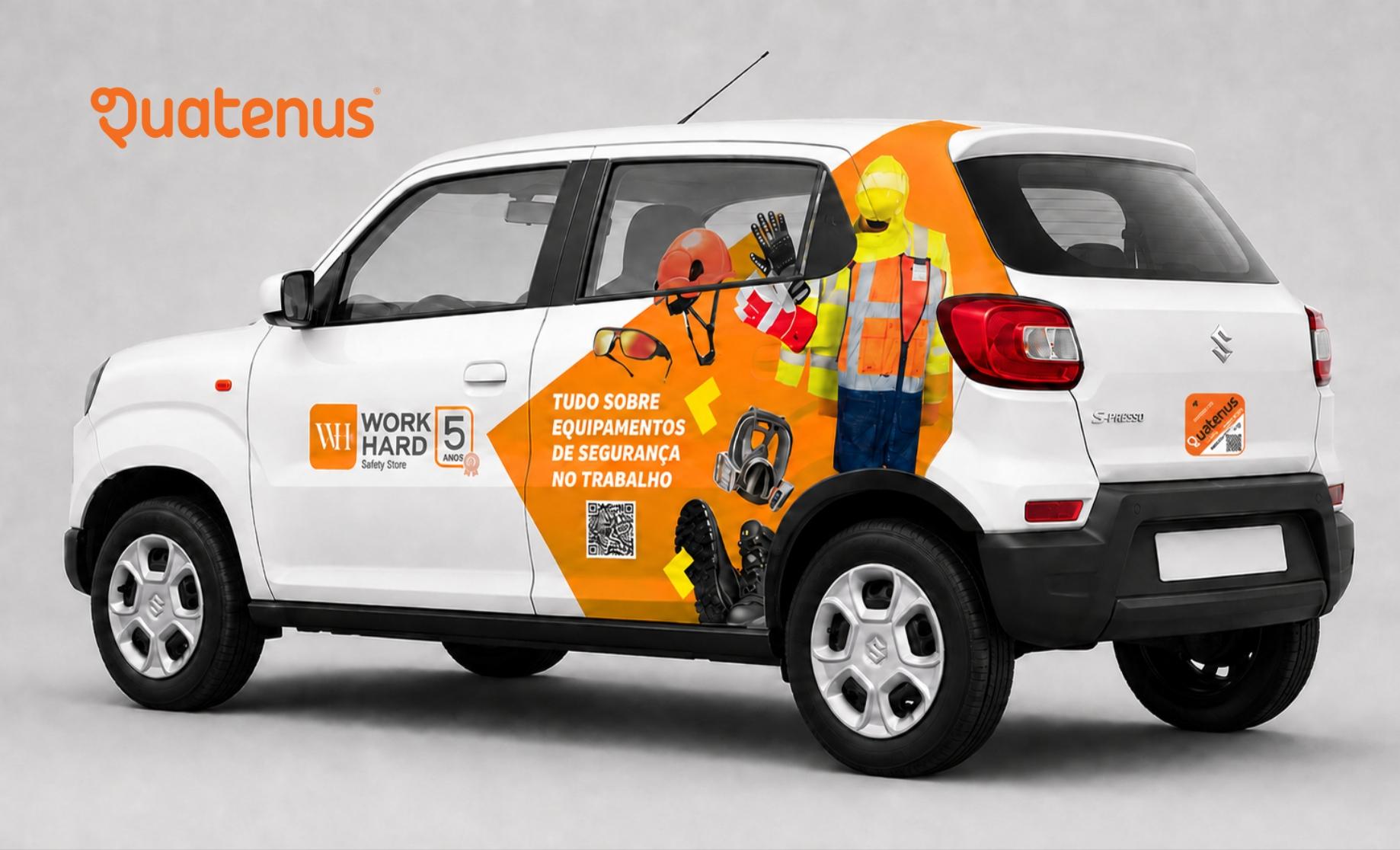
Work Hard, an Angolan company dedicated to supplying and selling Personal and Collective Protective Equipment, operates in a sector where safety depends on prepared equipment, organised technical services and an adequate response to business needs. In addition to PPE and CPE, Work Hard provides uniform personalisation through Direct to Film printing and embroidery, as well as fire extinguisher maintenance, inspection and refilling services.
Its mobile workshop adds an important operational dimension: the ability to take technical services directly to customer premises. This model increases convenience, but it also makes mobility management more demanding. This is where fleet management becomes relevant.
In an operation centred on field services, the challenge is not only moving a vehicle from one point to another. It is ensuring that the right team reaches the right place, that the scheduled service is carried out in an organised way and that the company keeps visibility over what happens outside the workshop.
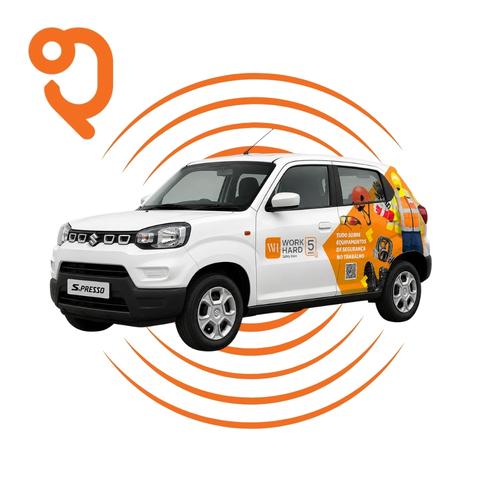
In Work Hard’s case, the mobile workshop makes it possible to carry out interventions directly at customer premises. This capability is valuable because it reduces customer travel, brings the service closer to the actual need and helps keep safety equipment ready for use.
However, the more the operation depends on mobile teams, the more important it becomes to track the fleet clearly. Without organised information, doubts may arise about location, availability, travel time, service sequence and response capacity.
Fleet management helps companies with field teams turn journeys into useful information. For an operation such as Work Hard’s, this means seeing the vehicle as an extension of the service.
When fleet monitoring is in place, the manager can gain clearer visibility over vehicle location, completed routes, availability for new interventions and the daily organisation of teams. This information does not replace the team’s technical knowledge, but it supports coordination and reduces operational uncertainty.
Quatenus positions fleet management as a tool for operational visibility. The goal is not simply to show vehicles on a map, but to help companies better understand their mobile operation and make decisions with more context.
Work Hard’s mobile workshop represents a service model in which the company travels to the customer to carry out fire extinguisher maintenance, inspection and refilling. This type of operation requires planning before departure, monitoring during the journey and organisation after the intervention.
Before the journey, the company needs to know which services are scheduled and which resources must be available. During the route, it is important to monitor the vehicle and understand whether the team is following the plan. After the intervention, operational information can help analyse journeys, adjust routes and improve future organisation.
This cycle shows why fleet management is relevant for field teams. The fleet does not operate in isolation. It is connected to the service schedule, team availability, customer relationships and the company’s response capacity.
Companies working in safety, maintenance and technical assistance need predictability. A fire extinguisher must be ready when needed. An inspection must be carried out properly. A customer site intervention should be organised in a way that avoids delays, unnecessary journeys and lack of information.
In Work Hard’s case, the combination of PPE supply, uniform personalisation and fire extinguisher related services creates a diversified operation. The existence of a workshop and a mobile workshop increases service capacity, but it also makes operational management more complex.
With clearer visibility over the fleet, it becomes easier to coordinate journeys, monitor field teams and maintain a more complete view of activity outside the company’s premises.
Fleet management delivers value when it helps answer practical questions. Where is the team? Which journeys have been completed? Which vehicle is available? How is field work being distributed? What information can help plan the next intervention better?
These questions are important for any company that depends on mobility. For technical teams, they become even more relevant because the service is associated with commitment, safety and response capacity.
For fleet managers and operational managers, visibility is not an administrative detail. It is a foundation for managing priorities, reducing uncertainty and aligning resources more effectively with customer needs.
The decision to take the service to the customer’s premises is not just a logistical choice. It is a way to reduce friction, increase convenience and bring the company closer to the real needs of those who depend on its services.
In Work Hard’s case, the mobile workshop reinforces this proximity. Fleet management can support this model by providing greater clarity over the operation that takes place between the workshop and the customer.
Does your company also depend on field teams, service vehicles or customer site interventions?
Discover Quatenus fleet management solutions and gain greater visibility over your mobile operation.
Ask for DemoFAQ
Because it allows companies to monitor journeys, vehicle availability and team activity away from company premises. This visibility helps managers coordinate resources more effectively, reduce operational uncertainty and respond to customer needs in a more organised way.
No. Location is an important part, but fleet management also supports planning, route analysis, team organisation, operational monitoring and more informed decisions about vehicle use.
It can help monitor technical teams, organise interventions, understand vehicle availability and maintain a clearer view of field service activity, without relying only on manual contact or scattered information.
Related